Veterans
We proudly welcome veterans of all abilities – whether seeking healing, connection, or simply a place for rest and relaxation.
Partnering with VA Healthcare Systems across New England.
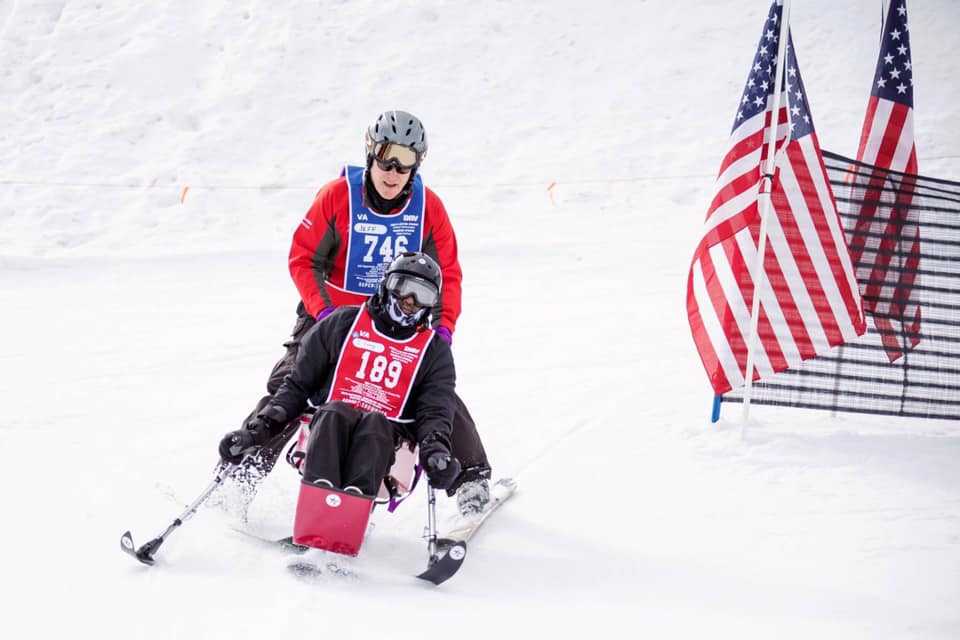
As a Veteran-Owned nonprofit, NEHSA is proud to host several multi-day and single-day events for servicemen and women with disabilities. These events promote rehabilitation by instructing Veterans in adaptive alpine skiing, snowboarding, kayaking, hiking and other adaptive activities and sports.
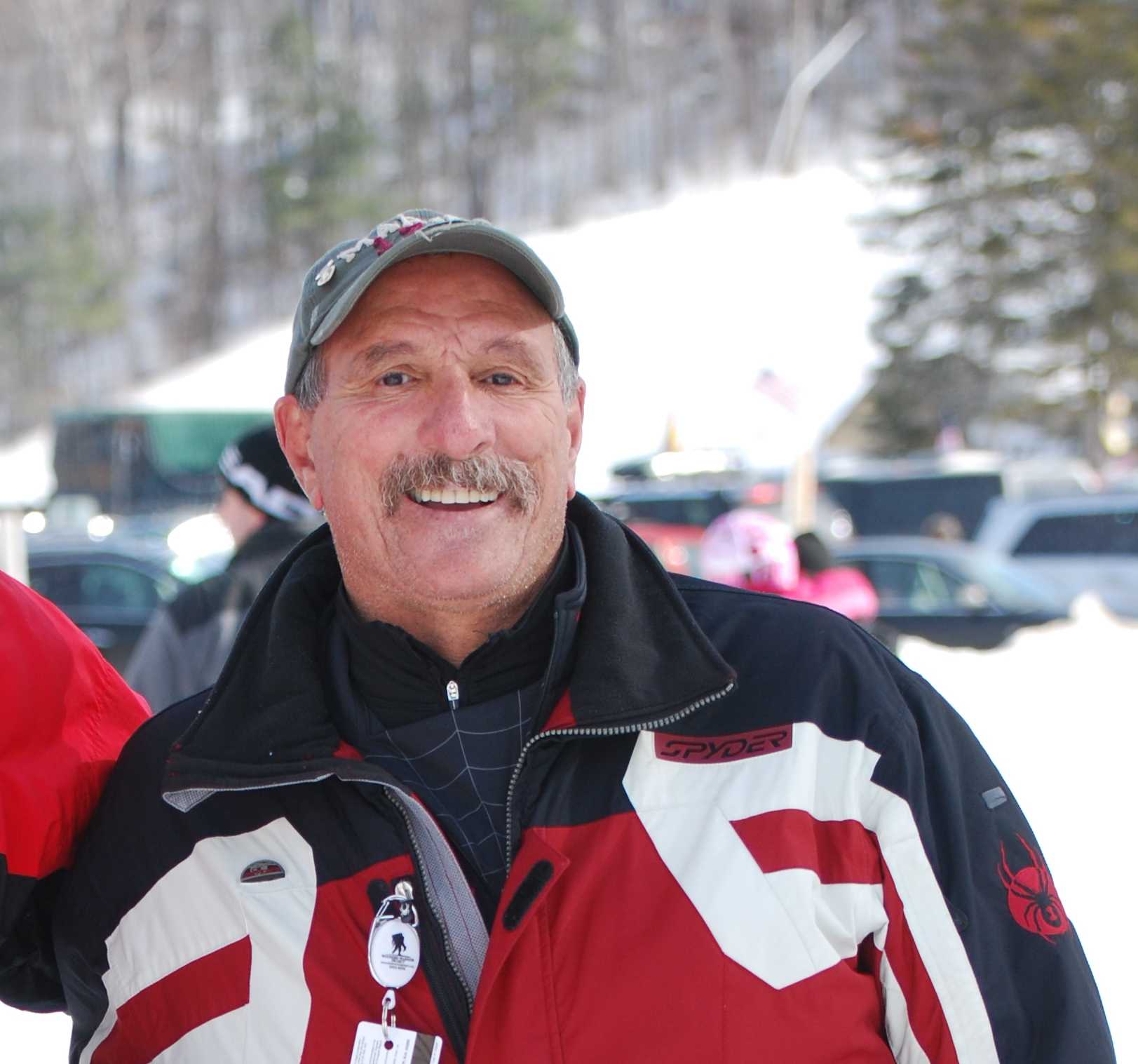
“What you need is a willingness to learn and a sense of humor – if I can ski, anyone can,” Tony Santilli, Marine Corps Veteran.
Tony Santilli, Marine Corps Veteran, served in Vietnam. After getting wounded in duty, he had to undergo a leg amputation. However, Tony had a dream of sharing freedom and motion with other Veterans. He had soon come to find that skiing helped him overcome his disability and PTSD.
Tony wanted to make a difference in the lives of other disabled veterans by giving them the same opportunity to learn to ski. Through combining resources and contacts, Santilli and Ralph Marche, Chief of Voluntary Service at Boston VA, established the New England Winter Sports Clinic for Disabled Veterans, turning Santilli’s dream into reality in January 1998. They developed the program for any Veteran who is physically disabled and medically stable. The focus is on downhill skiing with some alternative recreational activities provided, such as wheelchair basketball.
Prior to the New England Winter Sports Clinic, Veterans would travel to Colorado to attend a National Disabled Veterans Ski Program. Establishing a Winter Sports Clinic in New England allowed veterans to attend closer to home.
In the past five years, over 140 participants have benefited from the clinic. Santilli would tell all his fellow Veterans, “what you need is a willingness to learn and a sense of humor”and “if I can ski, anyone can.”
Stories are Many
A visually impaired female Veteran learned to ski at 82 years young.
A young man who had suffered a spinal cord injury participating one month after being discharged from the medical center and active duty. He realized that he was still able to ski, a favorite activity prior to his accident.
A bilateral amputee living in a VA nursing home unit who said after attending the clinic, “If I can learn to ski at 72 with no legs, I guess I can go home.” He had modifications made to his home and moved back with his wife.
“This is my feel good program of the year,” notes Marche. “You can’t leave here and not feel good. The participants show unbelievable courage just coming up here. They come together because it is for veterans – it’s a camaraderie they shared on the battlefields and a bravery they shared in military life that they’re willing to share on the mountains.”
Perhaps more than ever, adaptive skiing is seen as a key to healthy rehabilitation and therapy for people with disabilities.
In Partnership with